Save money now: 27 ways to lower your utility bills
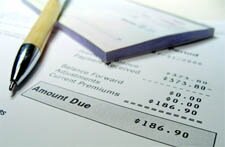
In the current economic climate, its been a bit rough for those that want to go green on a budget. Not everyone can...
Read the rest of this articleIn the current economic climate, its been a bit rough for those that want to go green on a budget. Not everyone can...
Read the rest of this article
E-book lovers blew up shortly after the iPad launch when details were revealed about Apple’s price structure. Could they really get away with selling e-books at a much higher markup over Amazon’s prices? It looks like we didn’t get the entire story.
For years Amazon has used a “loss leader” idea to sell not only cheap books but also the Kindle. Under the plan, Amazon would buy an e-book for around thirteen dollars from a publisher but sell it at $9.99. They hoped that buyers would be attracted by prices that were much lower than a hardcover version and purchase a Kindle as well.
Increased competition usually means lower prices but that’s not what we were led to believe with Apple. E-book Prices were set between $12.99 and $14.99, at most a 50% increase over Amazon’s bargain bin price. Comments went flying around the internet that the increase was unjustified since Apple was simply delivering a text document to their device and not a golden ticket.
According to the New York Times, sources say that the higher prices were only top tier prices. To match wits with Amazon they included a clause that forces publishers to discount bestsellers to lower a price point at their request. Unlike Amazon’s loss leader scheme, the plan ensures that Apple will make a profit on every book.
The clause doesn’t just cover blockbusters from authors with a loyal audience but also to books that climb up the bestseller list. So all those titles that Oprah picked out of obscurity for her book club would have a low price if purchased from Apple. Cheap hardcovers are part of the deal as well. If a book goes below $26.00, Apple will activate their right to discount the title’s e-book version.
The loophole is good news for consumers who thought that their e-books could be more expensive just because they purchased them from Apple. It also shows that publishers are open to expanding the e-book world beyond Amazon and the Kindle to different sellers and devices. The big question that needs to be answered next is how Apple will handle subscription based content like newspapers and magazines.
Why Tainted Green? Literally, green is only a color. But in typical human fashion we've pumped a cacophony of additional meanings and symbolism into the word. Green has become a marketing tool used by companies with impunity to wrap their products in a balmy haze of "ethical" and "conscientious" approval.
That's where Tainted Green steps in. We are seekers of truth, and we support the fundamental drivers behind the green movement. Ideas like permaculture, renewable energy, and recycling make sense, but companies that express support for green without a wholesome process behind it have tainted the meaning of green. And so, our focus is to create green content that pushes the ideology forward while pointing out which parts look like this year's marketing baggage. Welcome to Tainted Green, where we focus on unearthing the truth about green.
