Save money now: 27 ways to lower your utility bills
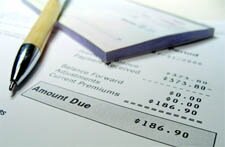
In the current economic climate, its been a bit rough for those that want to go green on a budget. Not everyone can...
Read the rest of this articleIn the current economic climate, its been a bit rough for those that want to go green on a budget. Not everyone can...
Read the rest of this article
The Federal Trade Commission warned 78 retailers – including Wal-Mart, Target and Kmart – to stop advertising rayon textile products as bamboo.
Rayon is made from plant fibers processed with harsh chemicals, which in return releases pollution into the air. Fortunately for big box stores, it looks a lot like bamboo. Unfortunately for their execs, the FTC isn’t buying it anymore. Consumers of clothes and other products deserve to know what they’re buying. That’s why calling rayon names like “Pure Bamboo,” “ecoKashmere,” and “Bamboo Comfort” are just plain wrong.
Last year, the FTC sued several companies for labeling and selling rayon as bamboo. Under its rules, the FTC can seek $16,000 per violation for a company that fails to correct false advertising.
“We need to make sure companies use proper labeling and advertising in their efforts to appeal to environmentally conscious consumers,” said David C. Vladeck, Director of the agency's Bureau of Consumer Protection. “Rayon is rayon, even if bamboo has been used somewhere along the line in the manufacturing process.”
The FTC gets extra kudos for releasing information about the lawsuit to the public. This way, we know exactly who is on the list of shame. Here are some of the companies named in the FTC release:
Amazon.com, Barney’s New York, Bed Bath & Beyond, BJ’s Wholesale Club, Bloomingdale’s, Costco Wholesale, Garnet Hill, Gold Toe, Hanes, Isotoner, JC Penney, Jockey, Kmart, Kohl’s, Land’s End, Macy’s, Maidenform, Nordstrom, Overstock.com, QVC, REI, Saks Fifth Avenue, Sears, Shop NBC, Spiegel, Sports Authority, Target, The Gap, The Great Indoors, Tommy Bahama, Toys R’ Us, Wal-Mart, and Zappos.com.
To people who frequent these stores: Think about writing a letter to the company, telling them how you feel about their conduct. It’s one thing for a business to get a slap on the hand by the government, but maybe even a bigger eye opener if they know it matters to the people who they rely on.
Why Tainted Green? Literally, green is only a color. But in typical human fashion we've pumped a cacophony of additional meanings and symbolism into the word. Green has become a marketing tool used by companies with impunity to wrap their products in a balmy haze of "ethical" and "conscientious" approval.
That's where Tainted Green steps in. We are seekers of truth, and we support the fundamental drivers behind the green movement. Ideas like permaculture, renewable energy, and recycling make sense, but companies that express support for green without a wholesome process behind it have tainted the meaning of green. And so, our focus is to create green content that pushes the ideology forward while pointing out which parts look like this year's marketing baggage. Welcome to Tainted Green, where we focus on unearthing the truth about green.
